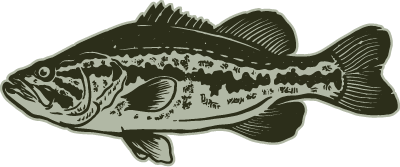
The largemouth bass is the cornerstone predator of a warm-water pond and the fish most owners are picturing when they stock. It keeps your panfish in balance and provides the sport fishing, which is why nearly every stocking plan is built around it.
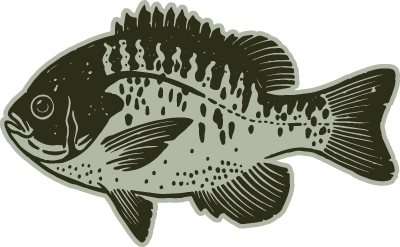
Bass are ambush hunters. They hold near cover like submerged brush, timber, and weed edges, then dart out after prey. A pond with some structure and a healthy forage base grows far better bass than an open, sterile one. The key ratio is roughly ten bluegill for every bass: that forage base is what actually puts size on your fish.
Growth depends almost entirely on food and water fertility. Under good conditions largemouth reach 6 to 8 inches in their first year and about a pound by age two, and a fertile, well-managed pond can grow trophy fish over 5 pounds over several years. Skimp on forage and you end up with a lot of small, slow-growing bass instead.
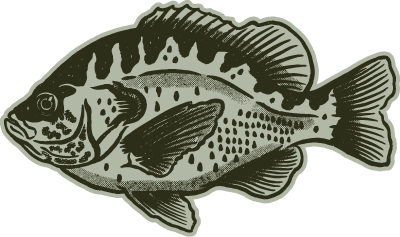
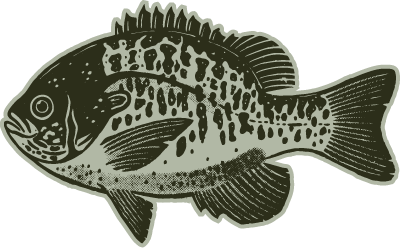
Timing matters. Stock your forage fish (bluegill, redear, and fathead minnows) first, then add bass the following spring once that base is established. Waiting the extra season is what produces fast growth and quality fish rather than a stunted, overcrowded population.
Once they are in, resist the urge to harvest bass heavily in the early years. They are doing the work of keeping your bluegill from overpopulating. Selective harvest, or a slot that protects mid-size fish, is the simplest way to grow a pond full of bigger bass.